Interiors
What makes a room calm
It is almost never the furniture.
People call me about a room that feels wrong, and they nearly always open by talking about furniture. What should they replace, what should they buy, what colour should the sofa be.
It is very rarely the furniture.
Start with the light
Before changing anything, I want to know what the light does across a whole day. Where it lands in the morning, where the room goes dead in the afternoon, which corner never gets anything. Most uncomfortable rooms are lit for an hour a day and left to manage on their own for the rest.
Then the route
Watch how people actually move through a space, rather than how the floor plan assumes they will. There is usually a path everyone takes, and usually something standing in it. Moving that one object does more than a new sofa ever will.
Then take things out
The first change I suggest is almost always a subtraction. Rooms that feel restless are generally rooms with too much in them, and the fastest way to find out is to empty a surface completely and live with it that way for a week.
Materials that survive here
What works in a catalogue shot from somewhere dry does not necessarily work in this humidity. I would rather use fewer materials that age well than a wider palette that starts looking tired in two years.
None of this is expensive. That is usually the surprise — comfort is mostly attention, not budget. The brief underneath every one of these jobs is the same: I want the people living there to be comfortable in it.
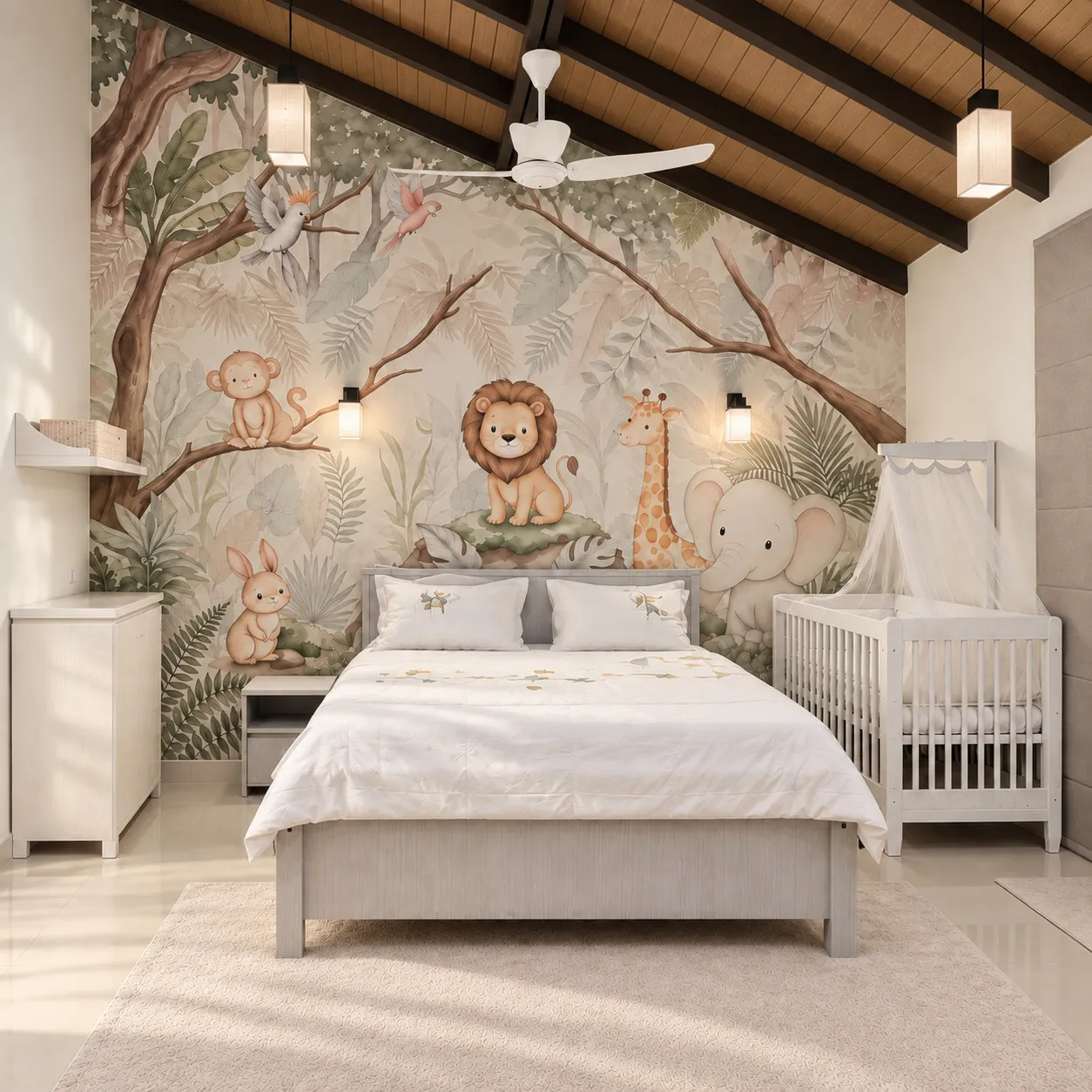

Nature has been designing much longer than we have
There is something about green that has always made me feel good.

Why I build things
I'm a designer by profession, but I don't think design is the only thing that defines me. I enjoy creating things, understanding people, having long conversations, travelling…